James Black: A Handwritten Font for High-Class Design
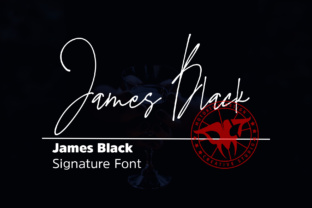
In the world of typography, the choice of font can significantly influence the visual identity and emotional impact of a design. James Black is a unique extra thin handwritten font that stands out for its elegance and sophistication. This font offers a high-class personality that can elevate any project, whether it's for a business, personal endeavor, or creative expression. Its delicate strokes and refined appearance make it an ideal choice for those seeking to convey a sense of luxury and exclusivity.
The design of James Black is characterized by its extra thin weight, which gives it a light and airy feel. This feature makes it particularly suitable for applications where readability and aesthetics are equally important. The font’s subtle curves and precise lines create a harmonious balance that can enhance the overall look of any text. Whether used in print or digital formats, James Black maintains its clarity and charm, making it a versatile option for various design needs.
One of the key advantages of James Black is its ability to add a touch of class to any design. Its handwritten style evokes a sense of authenticity and craftsmanship, which can be particularly appealing in branding and marketing materials. For businesses looking to establish a premium image, this font can serve as a powerful tool to differentiate their brand from competitors. It is especially effective in logos, headings, and other prominent elements where visual impact is crucial.
James Black is not limited to commercial use; it also has a wide range of applications for personal projects. Artists, designers, and hobbyists can leverage this font to create custom designs that reflect their individuality. From wedding invitations to social media posts, the font’s versatility allows it to adapt to different contexts while maintaining its distinctive character. Its elegant appearance can transform ordinary text into something truly special, adding a personal touch to any creation.
For educators and researchers, James Black offers a fresh approach to presenting information. In academic settings, the font can be used to create visually engaging slides, handouts, and reports that capture attention without compromising readability. Its clean lines and subtle details make it easy to read even in smaller sizes, ensuring that the content remains accessible to all audiences. By incorporating James Black into educational materials, instructors can enhance the visual appeal of their work while maintaining a professional tone.
Another notable aspect of James Black is its suitability for a variety of industries. In the fashion sector, for example, the font can be used to create labels, packaging, and promotional materials that exude sophistication. Similarly, in the hospitality industry, it can be employed to design menus, signage, and branding elements that reflect a high-end aesthetic. The font’s adaptability makes it a valuable asset for professionals across different fields who want to convey a sense of quality and refinement.
When considering the use of James Black, it is essential to take into account the specific requirements of each project. While the font is generally easy to read, its extra thin weight may not be suitable for large blocks of text. In such cases, it is advisable to pair it with a more robust typeface to ensure legibility. Additionally, designers should pay attention to spacing and contrast to maximize the font’s visual impact. Proper implementation can help avoid potential issues and ensure that the final result meets the desired standards.
James Black also offers opportunities for creative experimentation. Designers can combine it with other fonts to create unique typographic compositions that stand out. For instance, using James Black as a headline paired with a sans-serif font for body text can produce a balanced and modern look. This flexibility allows for endless possibilities, enabling users to tailor their designs to specific themes and styles.
Furthermore, the font’s handwritten nature adds a human element to digital designs, which can be particularly beneficial in building connections with audiences. In an era where digital interactions are increasingly common, the warmth and authenticity of a handwritten font can make a significant difference. James Black can help bridge the gap between technology and personal touch, making it a valuable tool for creating more relatable and engaging content.
As with any design element, the success of James Black depends on how it is applied. Users should consider the context in which the font will be used and ensure that it aligns with the overall design strategy. Testing the font in different scenarios can provide insights into its effectiveness and help identify any adjustments that may be needed. This proactive approach can lead to better results and a more cohesive visual identity.
In conclusion, James Black is a remarkable font that brings a high-class personality to any design. Its extra thin weight, elegant appearance, and versatility make it a valuable resource for professionals and creatives alike. Whether used in business, personal, or educational contexts, the font has the potential to enhance visual communication and leave a lasting impression. By understanding its characteristics and applications, users can make informed decisions that contribute to the success of their projects.