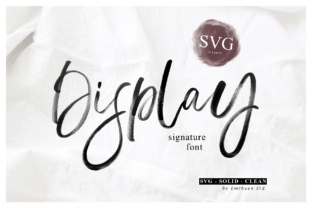
Display and The Display Signature: A Unique SVG Font for Creative Projects
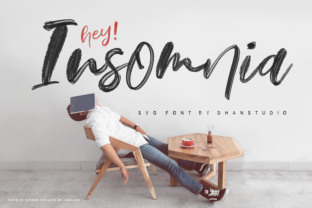
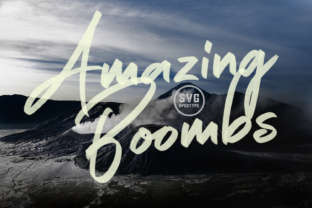
The Display Signature is a distinctive SVG font that brings a hand-lettered touch to digital design. Designed with a brush, it mimics the natural flow of handwriting, making it ideal for projects that require a personal or artistic flair. This font comes in three variations—SVG, solid, and clean—each offering different visual characteristics to suit various creative needs.
One of the standout features of The Display Signature is its compatibility with a range of design software. As an OpenType-SVG font, it works seamlessly with programs like Adobe Photoshop, Illustrator, Silhouette, and Inkscape. This makes it a versatile tool for designers, illustrators, and hobbyists who rely on these platforms for their work.
Understanding the Different Styles of Display Signature
The SVG version of The Display Signature retains the full detail of the brush strokes, allowing for dynamic color changes and effects. This style is particularly useful when working on projects that require intricate details or layered designs. For instance, a designer might use the SVG version to create a custom logo with a hand-drawn feel, ensuring that every curve and line remains sharp and expressive.
The solid style of The Display Signature offers a more uniform look, with consistent thickness across all letters. This can be beneficial when creating text that needs to stand out without the complexity of varying stroke widths. It’s a great choice for headings, banners, or any project where clarity and boldness are essential.
The clean style provides a minimalist approach, focusing on simplicity and readability. This variation is perfect for situations where the text needs to be easily legible at a glance, such as in signage, packaging, or user interfaces. Its streamlined appearance ensures that the message is clear while still maintaining a touch of elegance.
Compatibility and Practical Considerations
It’s important to note that The Display Signature is an OpenType-SVG font, which means it may not be compatible with all design tools. Specifically, Cricut users should be aware that OTF or TTF files of this font will not work with their platform. Instead, they should look for a version that supports SVG format or check if their software has updated support for OpenType-SVG fonts.
This limitation highlights the importance of understanding the technical requirements of the tools you use. Before purchasing or downloading a font, it’s wise to verify its compatibility with your preferred software. This ensures that you can fully utilize the font’s capabilities without encountering unexpected issues.
For those new to SVG fonts, there are resources available to help navigate the process. The Ultimate Font Guide, for example, provides detailed information on how to use and integrate SVG fonts into different design workflows. This guide can be especially helpful for users who are unfamiliar with the nuances of OpenType-SVG technology.
Applications of Display Signature in Modern Workflows
The versatility of The Display Signature makes it suitable for a wide range of applications. In graphic design, it can be used to create eye-catching headlines, social media graphics, or branding materials. Its hand-lettered style adds a human element that can make a brand feel more authentic and approachable.
In the world of illustration, The Display Signature can enhance the visual storytelling aspect of a project. Whether it’s a book cover, poster, or digital artwork, the font’s unique character can add depth and personality to the overall composition. Illustrators often look for fonts that complement their visual style, and The Display Signature offers a perfect match for those seeking a more organic aesthetic.
For crafters and DIY enthusiasts, The Display Signature can be a valuable addition to their toolkit. Whether they’re designing custom invitations, creating personalized gifts, or working on home decor projects, the font’s realistic brush strokes can bring a handmade quality to their creations. This is especially appealing for those who want to add a personal touch to their work without the need for traditional calligraphy skills.
Benefits of Using Display Signature in Design Projects
One of the main advantages of using The Display Signature is its ability to add a sense of authenticity to digital designs. Unlike generic sans-serif or serif fonts, this font carries the impression of being created by hand, which can make a significant difference in how a design is perceived. This is particularly useful in industries such as fashion, lifestyle, or art, where a personal touch can set a brand apart from the competition.
Another benefit is the flexibility it offers in terms of customization. Because it’s an SVG font, users can adjust colors, outlines, and other properties to fit their specific needs. This level of control allows for greater creativity and ensures that the font can be adapted to a wide variety of projects and styles.
Additionally, The Display Signature’s compatibility with major design software means that users can incorporate it into their existing workflows without significant disruptions. This is especially important for professionals who rely on efficient and reliable tools to meet deadlines and maintain high-quality standards.
Recommendations for Using Display Signature Effectively
To get the most out of The Display Signature, it’s recommended to experiment with different styles and settings. Try using the SVG version for detailed illustrations, the solid style for bold headlines, and the clean style for simple, readable text. Each variation offers unique benefits, so testing them in real-world scenarios can help determine which one best suits your needs.
When working with the font, pay attention to spacing and alignment. Hand-lettered fonts can sometimes have irregularities that may affect the overall layout, so adjusting kerning and tracking can help achieve a more polished look. This is especially important in professional settings where consistency and precision are key.
Finally, consider the context in which the font will be used. If the project requires a high level of detail or interactivity, the SVG version may be the best choice. For simpler applications, the solid or clean styles can provide a more straightforward solution. By understanding the strengths of each variation, users can make informed decisions that enhance the effectiveness of their designs.